Cinnabar
The red that used to be mercury. What is sold today is resin-bound stone powder — stable, and not the thing the old texts were talking about.
- Old material
- Mercury sulfide (toxic)
- Sold today
- Resin-bound powder
- Hardness
- 2–2.5 Mohs
- Ages
- Colour fades in strong sun
- Fails by
- Chipping; avoid heat
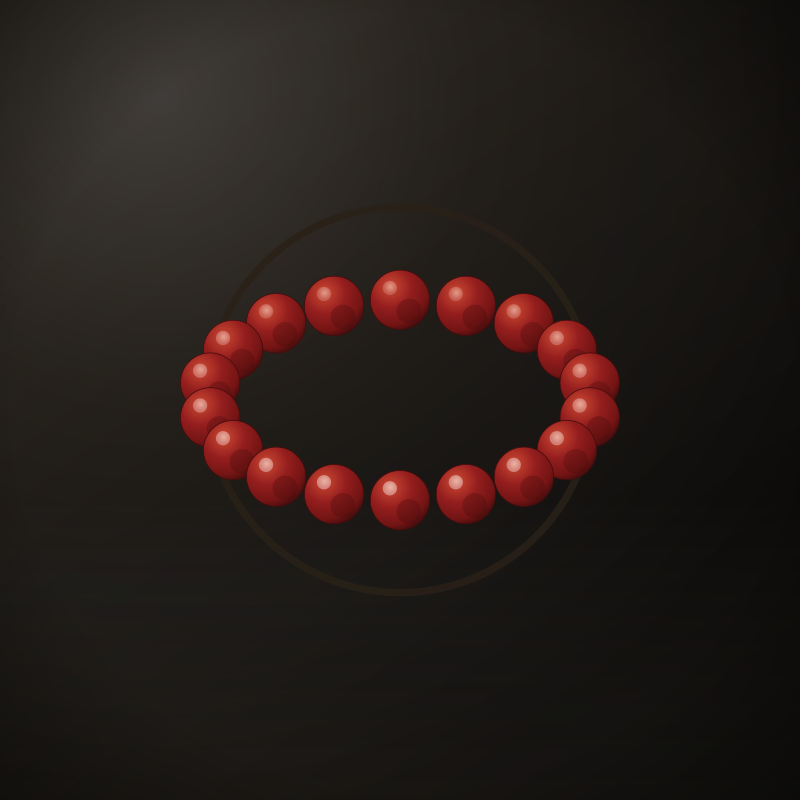
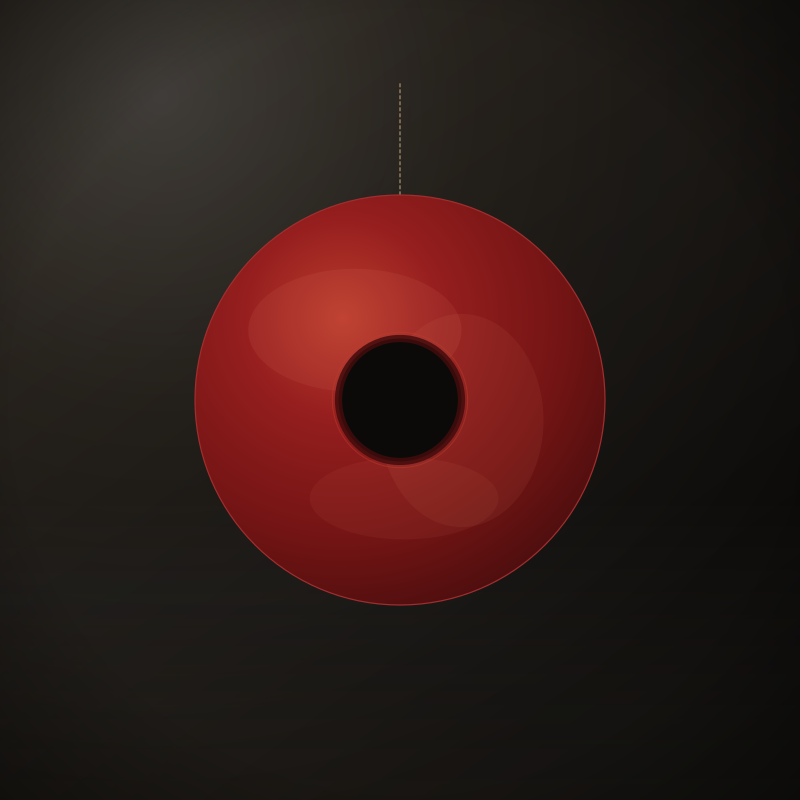
Pieces in this material
2 pieces
Free worldwide shipping over $99 · 1-Year Fortune Guarantee · Consecrated before it ships
The long version
Cinnabar is the ore mercury is extracted from, and it has been used as a pigment and a seal material for more than two thousand years. Real cinnabar jewelry exists but is rare, expensive, and genuinely hazardous to work. Almost everything sold as cinnabar today is ground stone or synthetic pigment bound in resin and pressed into shape.
Ours is the reconstructed kind. It is stable, it does not off-gas at room temperature, and the colour is the actual reason people want it — that specific red that is warmer than garnet and less orange than coral.
The safety line matters more than the symbolism: keep it away from children, do not wear it into hot water or a sauna, do not sand or drill it, and do not swallow it. If a piece chips, stop wearing it.
Asked and answered
Is your cinnabar toxic?
The historical ore is. Ours is resin-bound, which is stable at body temperature — but it should still be kept from children and from heat.
Why is cinnabar red?
Mercury sulfide has a deep red crystal colour. The reconstructed material reproduces it with pigment in resin.
Can I wear cinnabar every day?
Yes, but not into hot water. Heat softens the resin and dulls the surface.
Where to go next
Read next