Jade
Nephrite, not jadeite. Softer, oilier, and a fraction of the price per gram for the same colour — which is the sentence the jade market would rather you did not read.
- Species
- Nephrite (not jadeite)
- Hardness
- 6–6.5 Mohs
- Ages
- Gets oilier with wear
- Fails by
- Cracking on impact
- Origin
- Xinjiang, British Columbia, Siberia
Pieces in this material
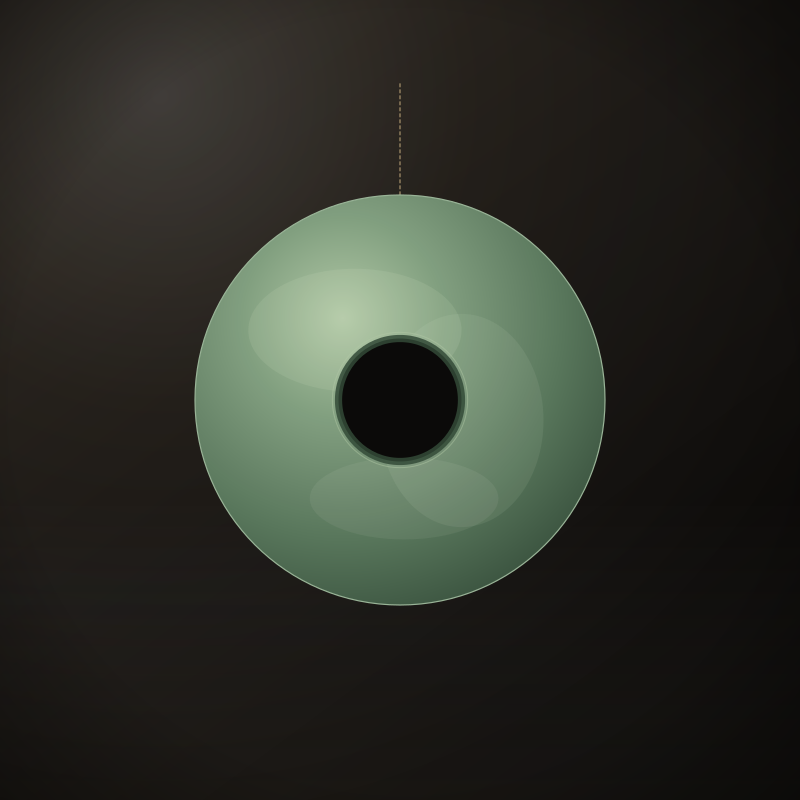
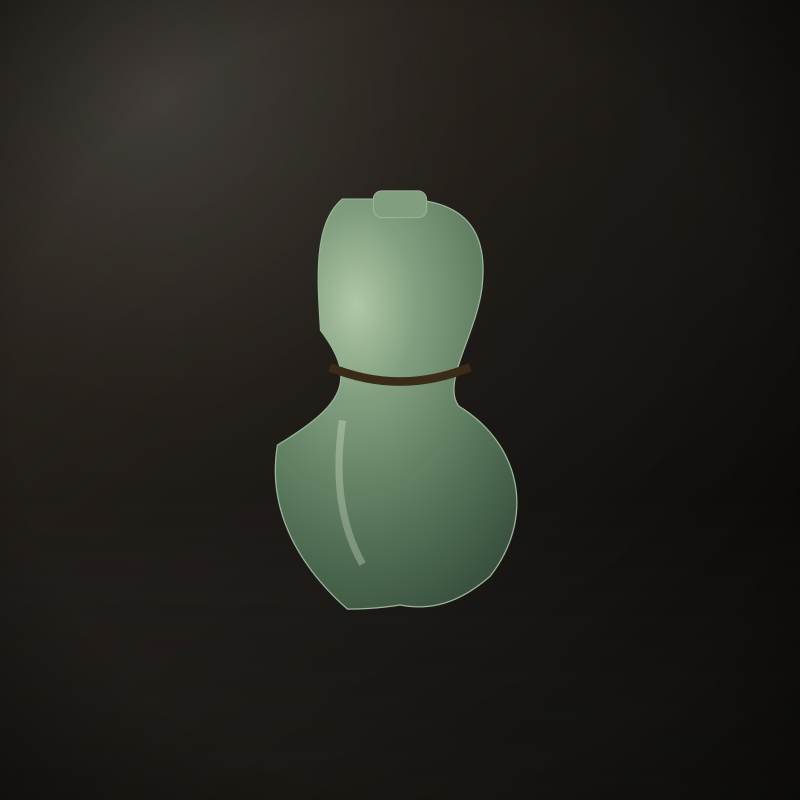
2 pieces
Free worldwide shipping over $99 · 1-Year Fortune Guarantee · Consecrated before it ships
The long version
Two different stones are sold as jade. Jadeite is the hard, glassy one that dominates the auction market; nephrite is the older Chinese material — softer, with an oily lustre and a structure you can see under a loupe. Both are real jade. Only one is affordable at pendant size, and pretending otherwise is how the category got its reputation for dishonesty.
Nephrite improves with handling because skin oil fills the surface. A piece worn daily for a year looks different from one kept in a box — visibly, not metaphorically. This is the one claim in our copy that a customer can verify in twelve months.
Care: warm water, a soft cloth, no ultrasonic, no bleach. Jade is tough but not unbreakable; a hard knock on stone will crack it, and a crack in nephrite does not heal.
Asked and answered
Is your jade jadeite?
No, it is nephrite. We say so on every product page because the price difference is large and buyers find out eventually.
Does jade really change colour when worn?
It becomes more lustrous as skin oil fills the surface. It does not change colour in the way sellers imply.
How can I tell jade from glass?
Nephrite is slightly translucent with a fibrous internal structure and feels cool but not cold. Glass is uniform, warmer, and often has tiny bubbles.